Why Are My Brakes Squealing? Ann Arbor Brake Guide
By John Karageorge, Complete Auto Service of Ann Arbor
Squealing brakes signal trouble. Act fast. This guide strips it down. Learn the real causes. Find proven fixes. Master maintenance that keeps brakes sharp. Spot wear early. Prevent costly damage. Drive safer. We’ll cover how brakes work, why inspections matter, and how to read wear indicators like a pro.
Brake noise kills confidence. Drivers judge reliability the moment they hear it.
Brake Squeal: Indicator of Malfunction & Lost Confidence
Customers view brake noise as a sign of malfunction. They lose confidence in vehicle quality.
A review of automotive brake squeal mechanisms, NM Ghazaly, 2014
Key Takeaways
- Brake squealing often indicates worn brake pads that require timely inspection and replacement to ensure safety.
- Accumulated dust, debris, and glazed pads can cause brake noise and reduce braking performance.
- Regular brake inspections help identify wear indicators and prevent costly damage to pads and rotors.
- Brake rotor issues like warping or uneven wear contribute significantly to brake noise and safety risks.
- Cleaning and lubricating brake components effectively reduce friction and eliminate squealing sounds.
- Timely brake pad replacement prevents metal-to-metal contact, stopping squealing and maintaining optimal braking.
- Environmental factors such as moisture and temperature changes can affect brake noise and component longevity.
- Using high-quality brake pads and adopting proper driving habits extend the life of brake components.
- Professional brake inspections and repairs by certified technicians ensure reliable and safe vehicle braking performance.
Common Causes of Brake Squeal:
Brake squealing comes from several sources. Each points to a different issue. Know the causes. Target the fix. Stop the noise before damage follows.
Research breaks down complex squeal mechanisms. It flags noise as a clear fault indicator.
Understanding Brake Squeal Mechanisms & Fault Indicators
Squeal is seen as a sign of a faulty brake. It worries manufacturers and customers. The study identifies two main mechanisms: nonlinearity leading to chaos, and instabilities from in-plane pad motion.
Analysis of brake squeal noise, S Oberst, 2011
- Worn Brake Pads: As brake pads wear down, they can produce a high-pitched squeal, signaling that they need replacement.
- Dust and Debris: Accumulation of dirt and debris between the brake pad and rotor can lead to noise during braking.
- Glazed Pads: Overheating can cause brake pads to become glazed, resulting in a squealing sound when applied.
Know the causes. Then act. That’s the path to quiet, reliable brakes.
Potential Solutions:
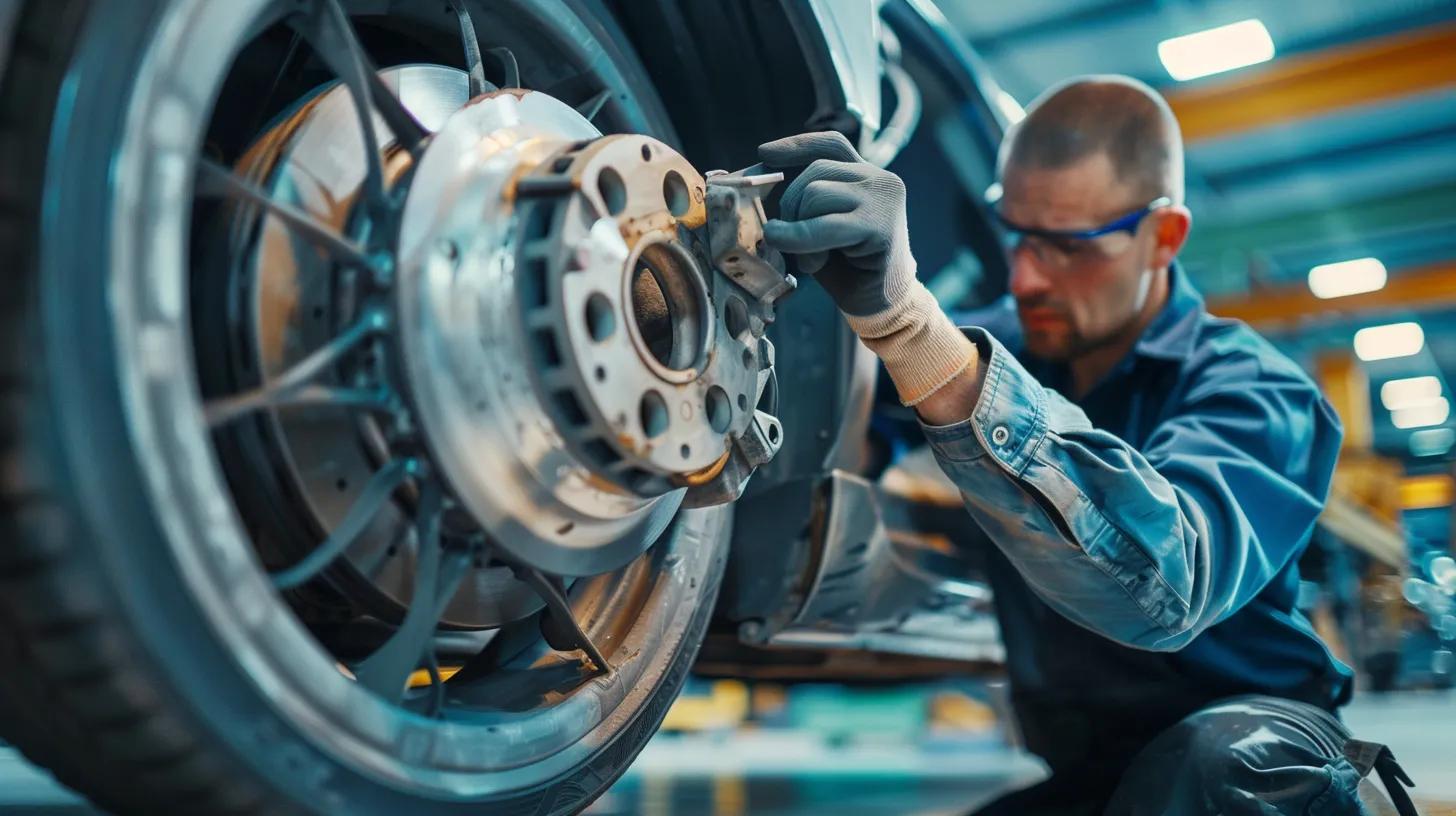
Fixes are straightforward. Inspect. Clean. Replace. Lubricate where needed. Follow a clear checklist and stop the squeal fast.
Thorough diagnosis wins. Studies show you must investigate to truly eliminate squeal.
Brake Squeal: Investigation, Diagnosis & Elimination Strategies
This review maps the numerical methods used to study brake squeal. It covers diagnosis techniques and efforts to eliminate squeal. It also presents the current state of brake squeal research.
Brake squeal: a literature review, JCS Lai, 2002
- Inspection and Replacement: Regularly inspect brake pads and replace them when they show signs of wear.
- Cleaning: Remove dust and debris from the brake components to prevent noise.
- Lubrication: Apply appropriate lubricants to the brake components to reduce friction and noise.
Ann Arbor drivers: Complete Auto Service provides full brake inspection and repair. Book a check and silence the problem.
Quick Brake Noise Repair Tips:
Hear noise? Don’t wait. Pull over safely. Inspect. Note the sound. Act fast to avoid bigger damage.
- Visual Inspection: Check for visible wear on brake pads and rotors.
- Listen for Changes: Pay attention to any changes in noise patterns when braking.
- Check Brake Fluid: Ensure that brake fluid levels are adequate and that the fluid is clean.
These quick checks catch problems early. Fix small issues before they grow.
What Causes Brake Squealing? Top Brake Squeal Causes Explained
Dig into the mechanics. That’s how you solve squeal for good. Below are the main categories to target.
Mechanical Issues
Mechanical faults drive most brake noise. Look for worn pads, glazing, or caliper trouble. Each needs a targeted fix.
- Worn Brake Pads: As mentioned, worn pads can create a squealing sound.
- Glazed Pads: Overheating can cause pads to glaze, leading to noise.
- Caliper Issues: Problems with the brake caliper can also contribute to squealing.
Environmental Factors
Conditions matter. Moisture, rust, and swings in temperature change material behavior and spark noise. Keep parts dry and clean.
- Moisture and Rust: Humidity can cause rust on brake components, leading to noise.
- Temperature Changes: Extreme temperature fluctuations can affect brake materials and performance.
Maintenance Practices
Good habits extend life. Inspect often. Choose the right pads. Drive smoothly. Prevent noise before it starts.
- Regular Inspections: Schedule routine brake inspections to catch issues early.
- Driving Style: Aggressive driving can lead to faster wear of brake components.
- Brake Pad Quality: Using high-quality brake pads can reduce noise and improve performance.
How Do Worn Brake Pads Trigger Squealing Sounds?
Wear indicators live in the pads to warn you. When the friction material thins, metal hits the rotor. That metal-on-metal squeal is the alarm. Replace pads before rotors suffer.
Can Brake Rotor Issues Lead to Noisy Brakes?
Yes. Worn or damaged rotors create uneven surfaces and vibrations. Warped rotors speed uneven pad wear and raise noise. Inspect rotors with pads for full diagnosis.
How to Spot Brake Pad Wear Indicators Before Damage Hits
Spot wear early and avoid big bills. Look for pad thickness under 1/4 inch. Listen for squeal or grinding. Follow manufacturer inspection intervals.
- Visual Signs: Inspect the thickness of the brake pads; if they are less than 1/4 inch, they likely need replacement.
- Audible Warnings: Listen for squealing or grinding noises when braking, which indicate wear.
- Recommended Maintenance Practices: Follow the manufacturer’s recommendations for brake inspections and replacements.
What Are Brake Pad Wear Indicators and Why They Matter
Wear indicators warn you before failure. Metal tabs squeal when pads get thin. Ignore them and rotors suffer. Replace pads on time to avoid costly rotor damage.
How to Inspect Brake Pads for Wear and Squeal Signs
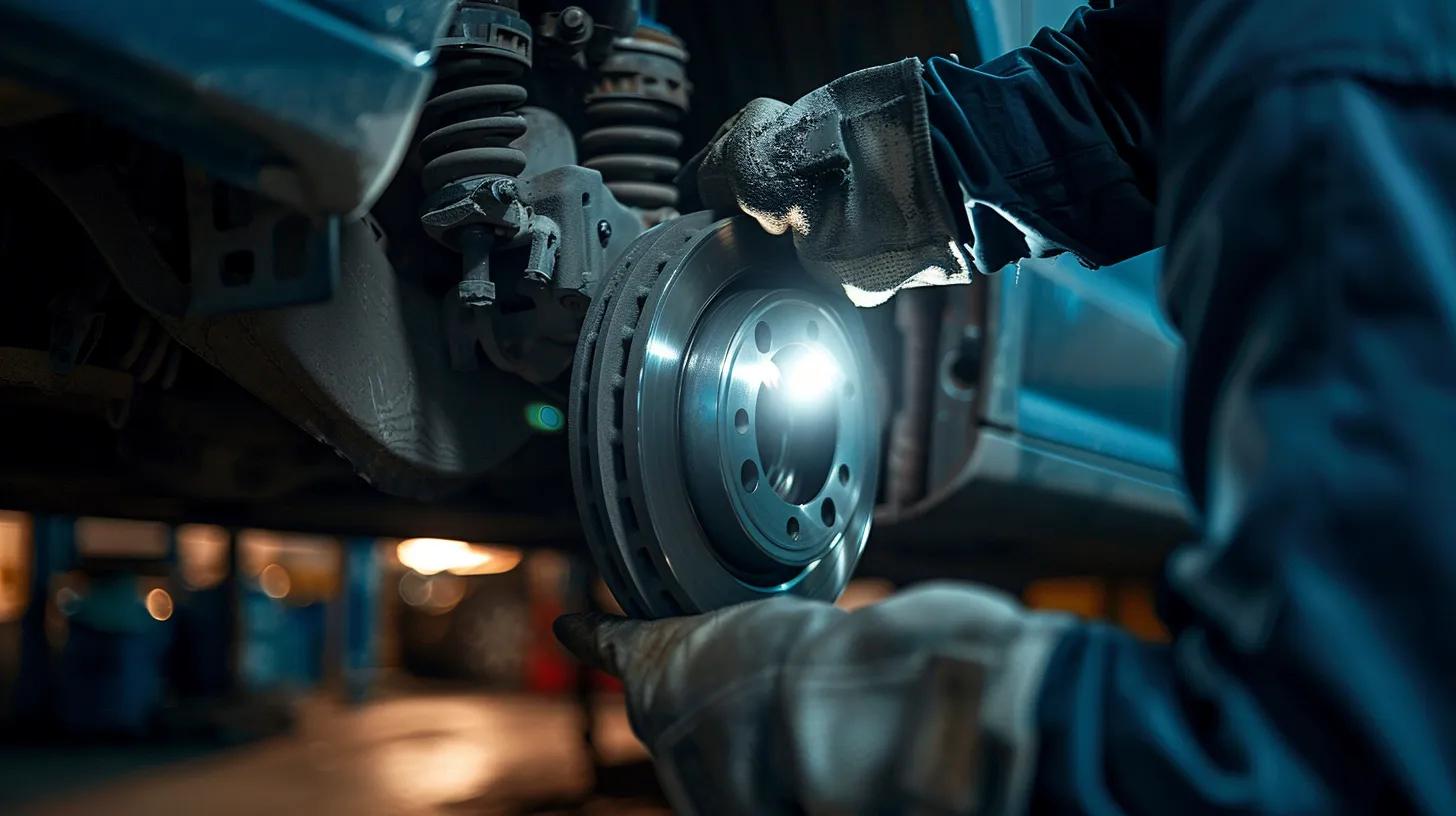
Inspecting pads is simple. Look for cracks, thin lining, or uneven wear. Listen while braking. Test for responsiveness. Act on what you find.
- Visual Inspection: Look for any visible wear or damage on the pads.
- Listen for Noises: Pay attention to any unusual sounds when applying the brakes.
- Test the Brakes: Perform a brake test to check for responsiveness and noise.
Routine checks catch trouble early and keep brakes performing at their best.
When and Why You Need Brake Pad Replacement in Ann Arbor
Replace pads when you hear persistent squeal or feel reduced stopping power. In Ann Arbor, don’t delay. Address wear, clicking, or a vibrating pedal fast to stay safe.
- Squealing Noises: Persistent squealing is a clear sign that pads need replacement.
- Clicking Sounds: Unusual clicking noises can indicate that the pads are worn out.
- Vibrating Brake Pedal: A vibrating pedal can signal uneven wear or damage.
How Does Timely Brake Pad Replacement Stop Squealing?
Swap worn pads for fresh ones. Stop metal-on-metal contact. Restore normal friction. Reduce noise. Regain braking power and confidence.
What Benefits Do Complete Auto Service’s ASE-Certified Technicians Deliver?
Complete Auto Service of Ann Arbor employs ASE-certified technicians who provide numerous benefits, including:
- Expertise: Technicians have extensive knowledge of brake systems and repair techniques.
- Experience: Years of experience ensure high-quality service and accurate diagnostics.
- Comprehensive Inspections: Thorough inspections help identify potential issues before they escalate.
Skilled techs. Accurate diagnostics. Thorough inspections. That combo keeps your brakes safe and your mind clear.
How Brake Rotor Issues Affect Your Brake Noise and Safety
Rotors shape braking feel and noise. Worn or warped rotors increase stopping distance and risk. Inspect and repair rotors to restore smooth, safe braking.
What Are Common Brake Rotor Problems Causing Squeals?
Rotors suffer from wear, debris buildup, and poor installation. Each can spark noise and reduce performance. Fix the root cause to silence the system.
- Worn Brake Pads: Worn pads can lead to rotor damage and noise.
- Dust and Debris: Accumulation of dirt can affect rotor performance.
- Improper Installation: Incorrectly installed rotors can lead to noise and performance issues.
Address these issues quickly. Prevent rotor damage and keep braking reliable.
How Does Rotor Resurfacing Fix Brake Noise?
Resurfacing restores a smooth rotor face. Machining removes grooves and imperfections. That improves pad contact and cuts noise. Use resurfacing when rotors meet service limits.
How to Schedule Your Brake System Inspection and Repair in Ann Arbor
Book inspections on a schedule. Follow manufacturer intervals. Pick a trusted local shop. Call ahead and outline your concerns to save time.
- Recommended Service Intervals: Follow the manufacturer’s guidelines for brake inspections.
- Local Service Providers: Choose a reputable service provider, such as Complete Auto Service.
- Tips for Efficient Scheduling: Call ahead to book an appointment and discuss any specific concerns.
Why Book Brake Repair Services at Complete Auto Service Now?
Delaying repairs costs you time and money. Act now. Professional service restores safety and prevents avoidable failures. Don’t wait until the problem worsens.
- Urgency Factors: Delaying repairs can lead to more severe issues and higher costs.
- Benefits of Services: Professional services ensure that your brakes are functioning correctly and safely.
- Consequences of Delaying Repairs: Ignoring brake issues can result in accidents and costly repairs.
Take action today. Prevent future breakdowns and keep your vehicle safe on the road.
How to Use Online Appointment Scheduling for Fast Brake Fixes
Online booking speeds things up. Visit the site. Pick a slot. Confirm your appointment. It’s fast and efficient.
- Visit the Website: Go to the Complete Auto Service website.
- Select Online Booking: Choose the option for online appointment scheduling.
- Confirm Your Appointment: Follow the prompts to finalize your booking.
Use online scheduling to lock in service quickly and get back on the road sooner.
What Are the Best Brake Maintenance Tips to Prevent Squealing?
Prevent squeal with simple habits. Inspect regularly. Watch pad thickness. Keep parts clean. Small effort. Big payoff.
- Regular Inspections: Schedule routine brake inspections to catch issues early.
- Monitor Brake Pad Thickness: Keep an eye on the thickness of your brake pads.
- Keep Brakes Clean: Regularly clean brake components to prevent dust accumulation.
Stick to these practices. Extend part life. Cut noise. Save money.
How Regular Brake Inspections Keep Noise and Damage Away
Inspections catch wear before failure. Fix issues early. Extend component life. Maintain safe braking. Routine checks pay off.
Which Brake Care Habits Extend Pad and Rotor Life?
Adopt these habits and push pad and rotor life further. Inspect regularly. Choose the right pads. Keep hardware clean.
- Regular Inspections: Schedule inspections to monitor brake health.
- Choose the Right Brake Pads: Invest in high-quality pads that suit your driving style.
- Maintain Clean Hardware: Keep brake components clean to prevent noise and wear.
Follow these steps and you’ll get longer-lasting, quieter brakes.
Frequently Asked Questions
What should I do if my brakes start squealing suddenly?
Stop safely. Pull over. Inspect for visible wear or debris. If you spot damage, don’t drive. Call a pro. Schedule a certified inspection right away.
How often should I have my brakes inspected?
Inspect brakes at least once a year or every 12,000 miles. Drive in heavy traffic or hilly terrain? Inspect more often. Regular checks catch wear early.
Can driving habits affect brake performance and noise?
Yes. Hard braking and rapid acceleration wear parts faster. Stop-and-go driving generates heat and can glaze pads. Drive smoother to cut wear and reduce noise.
What types of brake pads are best for reducing noise?
Choose high-quality semi-metallic or ceramic pads. Semi-metallic pads handle heat well. Ceramic pads run quieter and shed less dust. Match pads to your vehicle and driving style.
How can I tell if my brake rotors need replacement?
Watch for vibrations or a pulsating pedal. Look for visible scoring or grooves. Grinding sounds are a red flag. If you see these signs, have rotors inspected and replaced if needed.
What are the consequences of ignoring brake squealing?
Ignore squeal and damage spreads. Pads wear faster. Rotors get scored. Braking efficiency drops. Repairs get expensive. Don’t gamble with safety.
Is it safe to drive with squealing brakes?
No. Squeal often means worn pads. Driving on them risks rotor damage and reduced stopping power. Get brakes checked by a professional ASAP.
Conclusion
Don’t ignore squealing. It flags worn parts and safety risks. Learn the causes. Apply the fixes. Inspect and repair on time. Book your brake inspection with Complete Auto Service today and drive with confidence.