Automotive Repair Glossary: Essential Terms Explained

Automotive Repair Glossary: Master Essential Auto Repair Terms to Drive Smart Decisions
By John Karageorge, Complete Auto Service of Ann Arbor
Master the language of car care. Know the terms. Make smarter service decisions. This glossary strips down the jargon. Learn engine parts, brakes, diagnostics, transmission terms, and maintenance basics. Talk clearly with mechanics. Book the right service fast. Stay in control of your vehicle’s care.
Key Takeaways
- Understanding automotive repair terms helps vehicle owners communicate effectively with mechanics and make informed maintenance decisions.
- Key engine components like spark plugs and catalytic converters are essential for engine performance and emission control.
- Brake system terms such as brake pads, rotors, and ABS are crucial for ensuring vehicle safety and effective stopping power.
- Diagnostic codes from OBD-II systems identify specific vehicle issues, enabling timely repairs and preventing costly damage.
- Transmission and drivetrain components, including transmission fluid, torque converter, and gear sets, are vital for smooth power delivery.
- Regular maintenance tasks like oil changes, transmission fluid replacement, and brake fluid checks are essential for vehicle longevity.
- Fleet maintenance involves scheduled inspections, preventive care, and detailed record-keeping to ensure vehicle reliability and safety.
- Familiarity with automotive terms streamlines service booking by enabling clear communication and accurate problem identification.
- Transparent communication with mechanics improves diagnosis accuracy, service quality, and overall customer satisfaction.
What Are the Must-Know Engine Components and Terms?
The engine is the vehicle’s powerhouse. Know its parts. Spark plugs and catalytic converters matter. They join other components to deliver peak performance. Learn these terms to spot problems faster. Communicate with pros without confusion.
How Do Spark Plugs and Catalytic Converters Work?
Spark plugs ignite the air-fuel mix. They spark combustion and drive power. Catalytic converters cut emissions. They convert toxic exhaust gases into cleaner compounds before they exit. Regular checks and timely swaps keep your engine clean and compliant.
What Are Common Engine Repair Terms You Should Know?
Know the core terms. They unlock clearer diagnostics and smarter upkeep. Start here to level up your auto knowledge.
- Compression Ratio: The ratio of the maximum to minimum volume in the combustion chamber, affecting engine efficiency.
- Timing Belt: A critical component that synchronizes the rotation of the crankshaft and camshaft, ensuring proper engine timing.
- Fuel Injector: A device that delivers fuel into the combustion chamber, playing a vital role in engine performance.
These basics form the foundation of engine know-how. Learn them. Ask targeted questions. Diagnose smarter.
How Does the Brake System Work? Essential Brake Terminology Explained
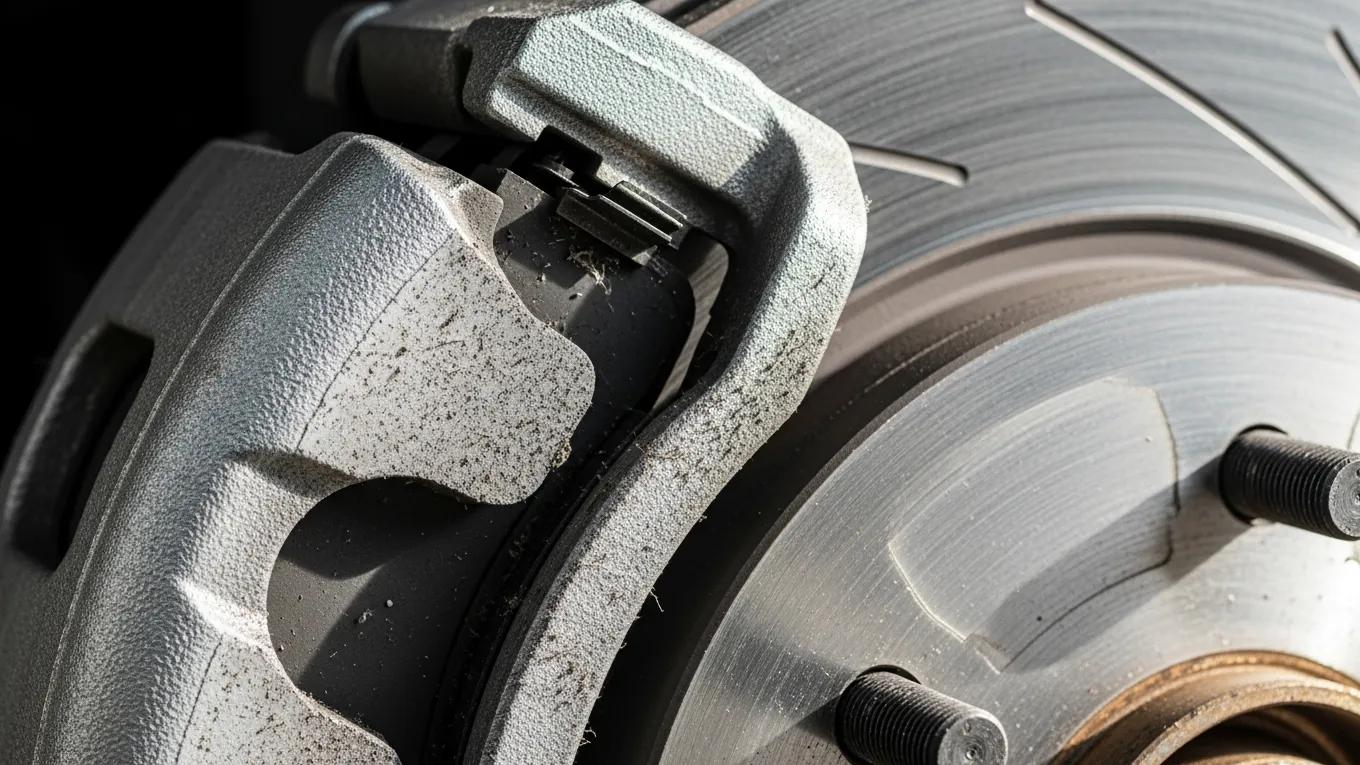
Brakes keep you safe. Know the parts. Brake pads, rotors, and ABS each play a key role. Understand the system to maintain stopping power and road safety.
What Is ABS and Why Is It Crucial for Safety?
ABS stops wheel lock during hard braking. It keeps steering control when roads get slick. The result: better stability and safer stops. Don’t ignore it.
How Do Brake Pads and Rotors Function Together?
Pads press against rotors to create friction. That friction slows the car. Press the pedal. The pads clamp. The vehicle stops. Inspect and replace them on schedule to keep braking sharp.
What Do Diagnostic Codes Mean? Unlocking OBD-II and Check Engine Light Alerts
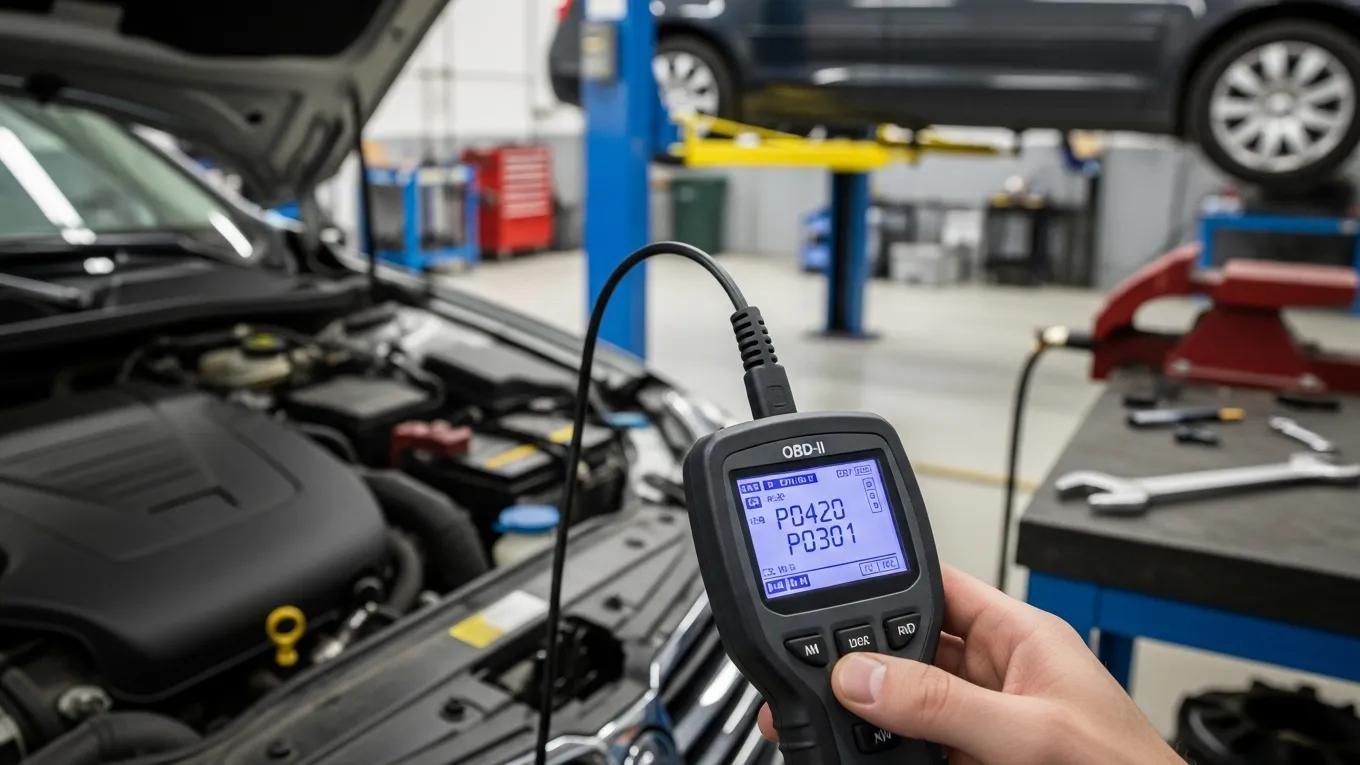
Diagnostic codes flag issues fast. OBD-II generates those codes. They point to specific faults. Use them to diagnose and act quickly.
Research traces OBD-II’s capabilities and history. It shows how the system interacts with onboard electronics and supports diagnostics across makes and models.
OBD-2 Technology for Vehicle Diagnostics
This article examines OBD-2 research for interacting with on-board systems and creating a unified system that works across different makes and models. It outlines the history, development, existing standards, and their implementation in modern cars. The piece describes basic diagnostic functions you can use to get vehicle information, adjust settings, and send commands.
Using OBD-2 technology for vehicle diagnostic and using it in the information system, V Golian, 2023
How to Interpret Common Diagnostic Trouble Codes?
DTCs narrow down problems. For example, P0301 flags a misfire in cylinder one. P0420 signals catalytic converter efficiency issues. Read codes. Act fast. Avoid bigger repairs.
What Steps Should You Take When the Check Engine Light Comes On?
Act immediately. Check for obvious issues first. Scan for codes next. Then consult a mechanic if the issue persists.
- Check for Obvious Issues: Inspect the vehicle for any visible problems, such as loose gas caps or leaks.
- Scan for Codes: Use an OBD-II scanner to retrieve diagnostic codes, which can help pinpoint the issue.
- Consult a Mechanic: If the problem persists, consult a qualified mechanic for a thorough diagnosis and repair.
Follow these steps to stop small problems from turning costly. Quick action protects your vehicle.
Which Transmission and Drivetrain Terms Should You Know?
Transmission and drivetrain parts control power delivery. Know the transmission, driveshafts, and differentials. They keep torque moving to the wheels and performance on point.
What Are the Key Parts of a Transmission System?
A transmission system includes a few critical parts that keep shifts smooth and power steady.
- Transmission Fluid: Lubricates and cools the transmission components, ensuring smooth operation.
- Torque Converter: Transfers power from the engine to the transmission, allowing for smooth acceleration.
- Gear Sets: Enable the vehicle to change speeds and torque, optimizing performance for various driving conditions.
Together, these parts channel engine power to the wheels. Maintain them to preserve smooth driving and longevity.
How Does Drivetrain Affect Vehicle Performance?
The drivetrain delivers engine power to the road. A healthy drivetrain boosts efficiency and handling. Neglect it and performance drops. Inspect driveshafts and differentials regularly to stay ahead.
What Are the Essential Maintenance and Service Terms Every Vehicle Owner Must Know?
Routine maintenance keeps your car running longer. Learn the key service terms. Then schedule work with confidence.
How Often Should You Change Oil and Other Fluids?
Fluids protect your engine and components. Follow general service intervals to avoid damage and costly fixes.
- Engine Oil: Change every 5,000 to 7,500 miles, depending on the vehicle and oil type.
- Transmission Fluid: Replace every 30,000 to 60,000 miles to ensure smooth shifting.
- Brake Fluid: Check and replace every two years to maintain braking efficiency.
Stick to these intervals. Prevent wear. Extend your vehicle’s life.
What Does Fleet Maintenance Involve?
Fleet maintenance manages many vehicles at scale. It keeps the fleet running and safe. The program focuses on checks, preventive service, and record tracking.
- Regular Inspections: Scheduled checks to identify potential issues before they become serious problems.
- Preventive Maintenance: Routine services, such as oil changes and tire rotations, to keep vehicles in optimal condition.
- Record Keeping: Maintaining detailed records of all services performed to track vehicle history and performance.
For businesses, effective fleet maintenance protects uptime and safety. Keep logs and stay proactive.
How Can Understanding Auto Repair Terms Help You Book the Right Service Fast?
Know the words. Book the right service fast. Clear terminology speeds up appointments and avoids mix-ups.
Why Transparent Communication with Mechanics Matters
Talk straight with your mechanic. Use the right terms. Ask clear questions. That builds trust and sharpens diagnosis. Better communication leads to better fixes.
Research shows strong communication boosts service quality, team efficiency, and customer satisfaction in repair shops.
Enhancing Communication in Auto Repair Workshops
Effective communication among stakeholders drives smooth operations, quality service delivery, and customer satisfaction at mechanic workshops. It strengthens team collaboration, increases efficiency and productivity, improves conflict resolution, and enhances safety and quality control.
IGBO AUTOMOBILE TERMINOLOGY: A PANACEA FOR EFFECTIVE COMMUNICATION IN MECHANIC WORKSHOPS IN SOUTH-EAST NIGERIA, EI Iwunze, 2024
How to Use Our Glossary to Schedule Your Appointment Today
Use the glossary to pinpoint issues. Ask specific questions. Then schedule with confidence.
- Identify Issues: Use the glossary to pinpoint potential problems based on symptoms.
- Ask Specific Questions: Inquire about specific components or services using the terms you’ve learned.
- Schedule with Confidence: Book your appointment knowing you can communicate your needs clearly.
Apply this knowledge at booking. Save time. Get precise estimates and faster repairs.
This table highlights core services and when to do them. Use it as a quick maintenance checklist.
Understanding repair terms powers smarter choices. Master the lingo. Communicate clearly with service providers. That helps preserve performance and extend vehicle life. Complete Auto Service of Ann Arbor stands ready to support your repairs and maintenance, ensuring your vehicle gets reliable care.
Frequently Asked Questions
What Are the Benefits of Regular Vehicle Maintenance?
Regular maintenance prevents breakdowns. It boosts reliability and safety. Routine checks catch problems early. That saves money and preserves resale value. Stay consistent for peace of mind on the road.
How Can I Identify When My Vehicle Needs Repairs?
Watch for warning signs. Listen for grinding or squeaks. Heed dashboard lights. Notice pulling or vibrations. These clues point to brakes, alignment, or engine issues. Inspect and act fast.
What Should I Know About Warranty Coverage for Repairs?
Read your warranty. Most new cars include manufacturer coverage for set time or mileage. Note exclusions and requirements. Some shops offer service warranties too. Keep service records for claims and coverage proof.
How Do I Choose the Right Mechanic for My Vehicle?
Ask for recommendations. Check reviews. Pick certified techs experienced with your make. Visit the shop to judge professionalism. Ask about warranties and diagnostics. Choose a mechanic who communicates clearly.
What Are the Most Common Causes of Engine Problems?
Many engine issues stem from skipped maintenance. Infrequent oil changes lead to sludge. Faulty spark plugs cause ignition trouble. Clogged fuel injectors hurt performance. Overheating from cooling failures can cause major damage. Inspect regularly to avoid severe failures.
What Is the Importance of Using Quality Parts in Repairs?
Install quality parts to boost longevity and reliability. They often carry better warranties and meet manufacturer specs. Quality parts improve safety and performance. Cheap parts may save money now but cost more later in repairs. Invest smart.
Conclusion
Master repair terms. Take control of your vehicle care. Understand engines, brakes, diagnostics, and maintenance. That knowledge speeds bookings and improves service outcomes. Dig into our resources and own your vehicle’s maintenance today.